How Children Acquire English Through Immersion
The Magical Moment of Spontaneous Production: How Children Acquire English Through Immersion
There’s a special instant in language learning that always moves us: when a child starts speaking spontaneously in English for the first time. It’s not repeating a practised phrase or answering a prompt—it’s their thoughts flowing naturally in the new language. We call this the magical moment of spontaneous production.
Learning vs. Acquisition: Two Different Paths
People often think learning a language means studying rules, memorising vocabulary, and doing exercises. That conscious approach needs focus, effort, and recall. It works well in predictable situations but falls short when real-life conversations become unpredictable.
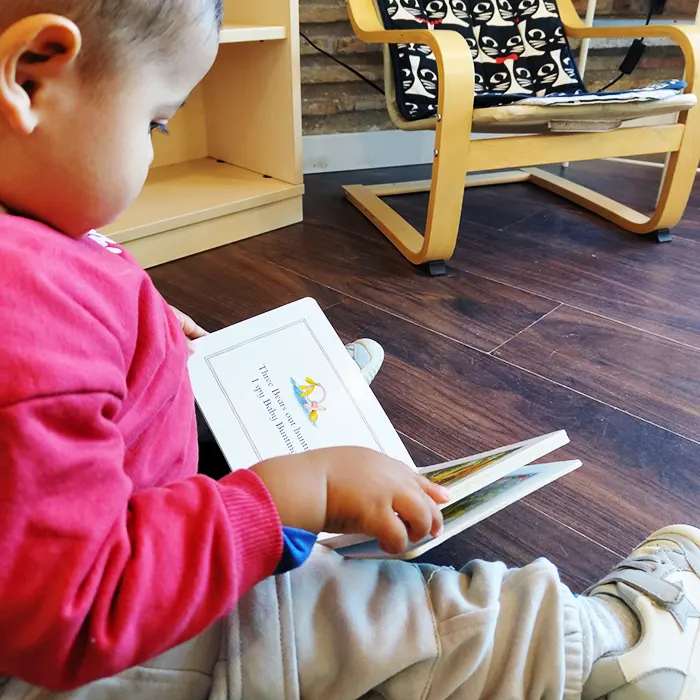
Acquisition feels different—it’s natural, like picking up your first language. Children listen, connect words to real experiences, and use language for real purposes, all without consciously trying. Our immersion program replicates this: children live in English through play, projects, and conversations, making it a tool for thinking and connecting.
Stages of the Bilingual Journey
Immersion unfolds in clear stages, building steadily:
- Pre-production: Kids listen and understand but stay quiet, responding with gestures or actions. They build up to 500 receptive words over 1-4 years, with a preference for repetition.
- Early production: First words and short phrases appear, with around 1,000 words in active use.
- Speech emergence: Simple sentences form; they handle two-step directions and ask basic questions. Vocabulary hits 3,000 words.
- Intermediate fluency: Complex sentences emerge, opinions flow, and they clarify doubts. About 6,000 words, with grammar still developing in writing.
- Advanced fluency: After 7-8 years, they speak with fluency on a variety of topics. Reading keeps building academic depth.
It grows through living the language, not through memorising questions and answers and flashcards.
Our Living Bilingual Community
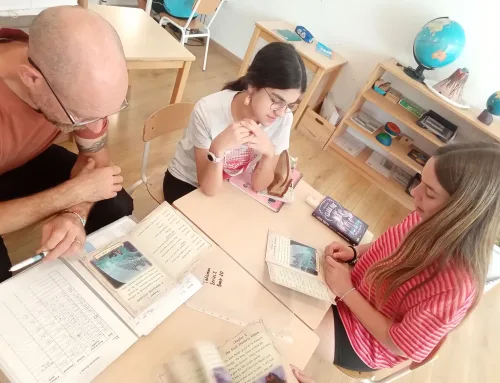
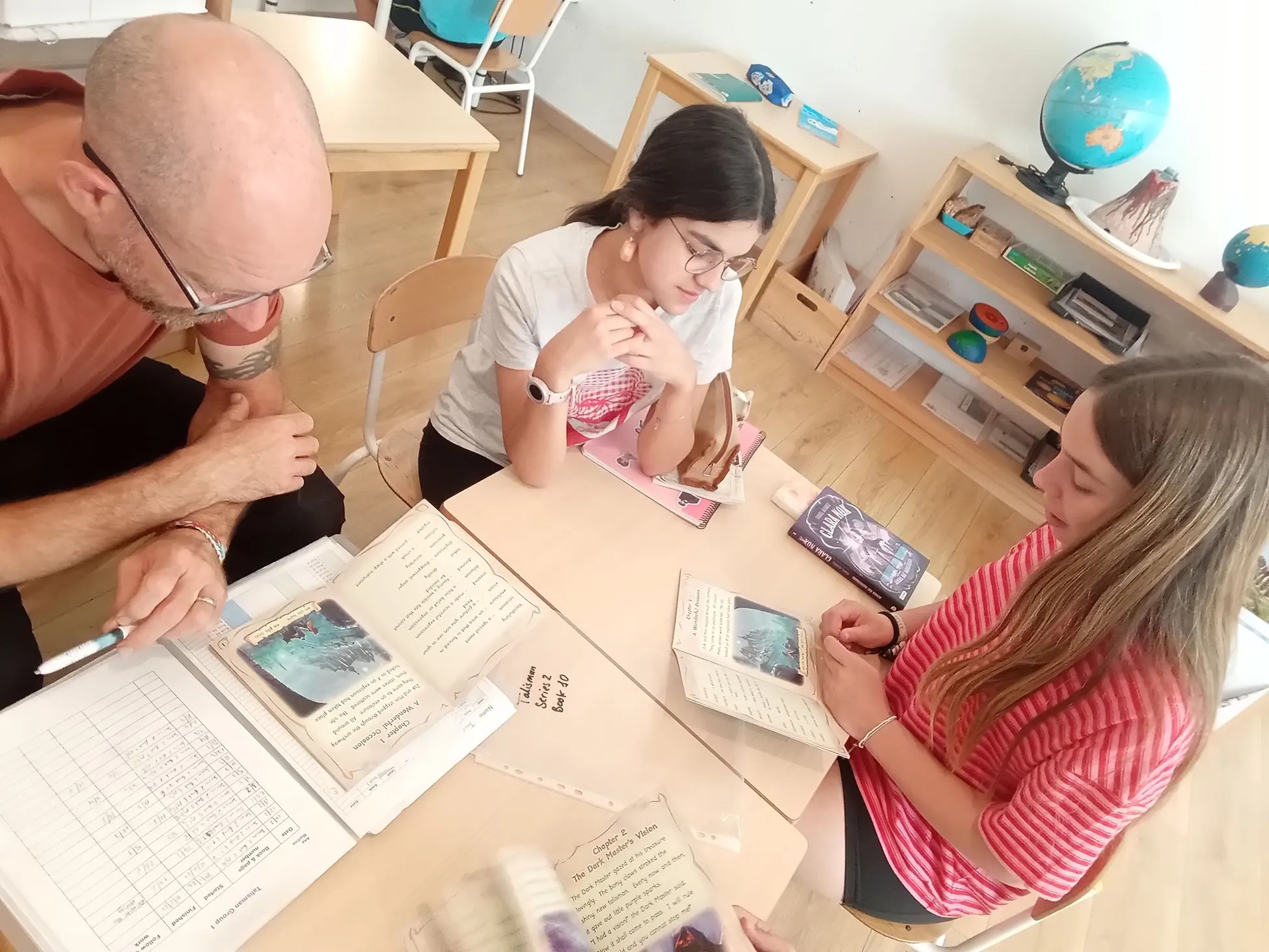
Our thoughtfully designed language policy is brought to life by our diverse teaching team. Roughly half speak English as their first language; the other half, Spanish or other languages, yet everyone uses English in class. They share their own multilingual stories, showing kids that mistakes are just steps to fluency, never something to fear. In Spain, in particular, where adults often avoid speaking English out of embarrassment, this modelling builds real confidence.
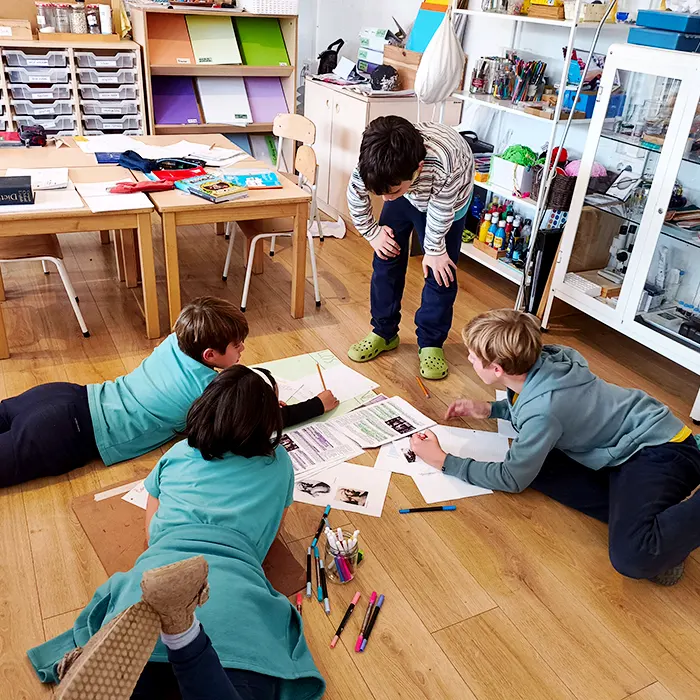
Children practice through games, stories, projects, and real-life moments. Most who start with us at ages 1 or 2 leave fully fluent in English, ready for the world. We prioritise well-being, too: Spanish steps in for emotional support or transitions until the child is ready, but English drives daily classroom life and exploration.
More Than a Language: A Door to the World
Freely using two languages builds cognitive flexibility, cultural empathy, and bold communication. That magical, spontaneous moment is a clear sign of the power of natural acquisition through relationships, experiences, and everyday life.