“Soft” schools do not produce weak people
There is a concern shared by many families, although they do not always voice it: if the environment is too “soft”, how will children become strong?
It is an understandable concern. All families want our children to be prepared for a world that can sometimes be demanding. That is why we hear phrases such as “they need to toughen up”, “nobody is going to hand them anything on a plate outside school”, “they will have to step out of their bubble” or “if we don’t push them, they won’t give it their best”.
However, behind these phrases lies a significant misunderstanding of what we mean by strength.
We often confuse being strong with being obedient, withstanding pressure or complying without question. And whilst that may work in the short term, it does not necessarily help children become confident, independent individuals capable of standing on their own two feet.
When a child grows up in an environment where they are constantly told what to do, when to do it and how to do it, they learn to function… but only within that external framework. They learn to seek approval, avoid mistakes, and respond to pressure. And, little by little, they learn something even more limiting: that difficulty is something imposed from the outside, not something a person can engage with from within.
That is why, when that control disappears, the apparent ‘strength’ often disappears too.
True strength is quieter and far less visible in the short term.
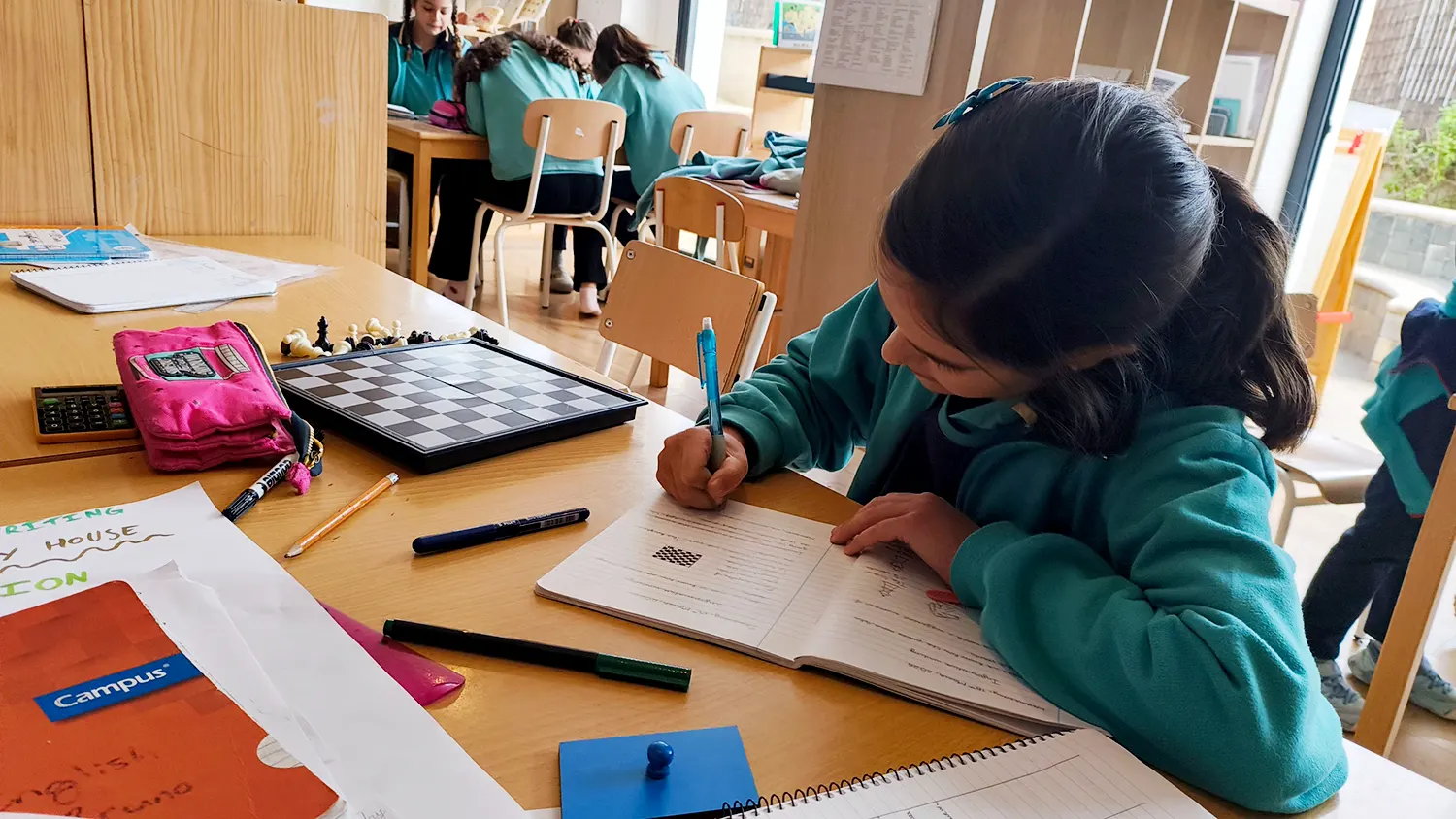
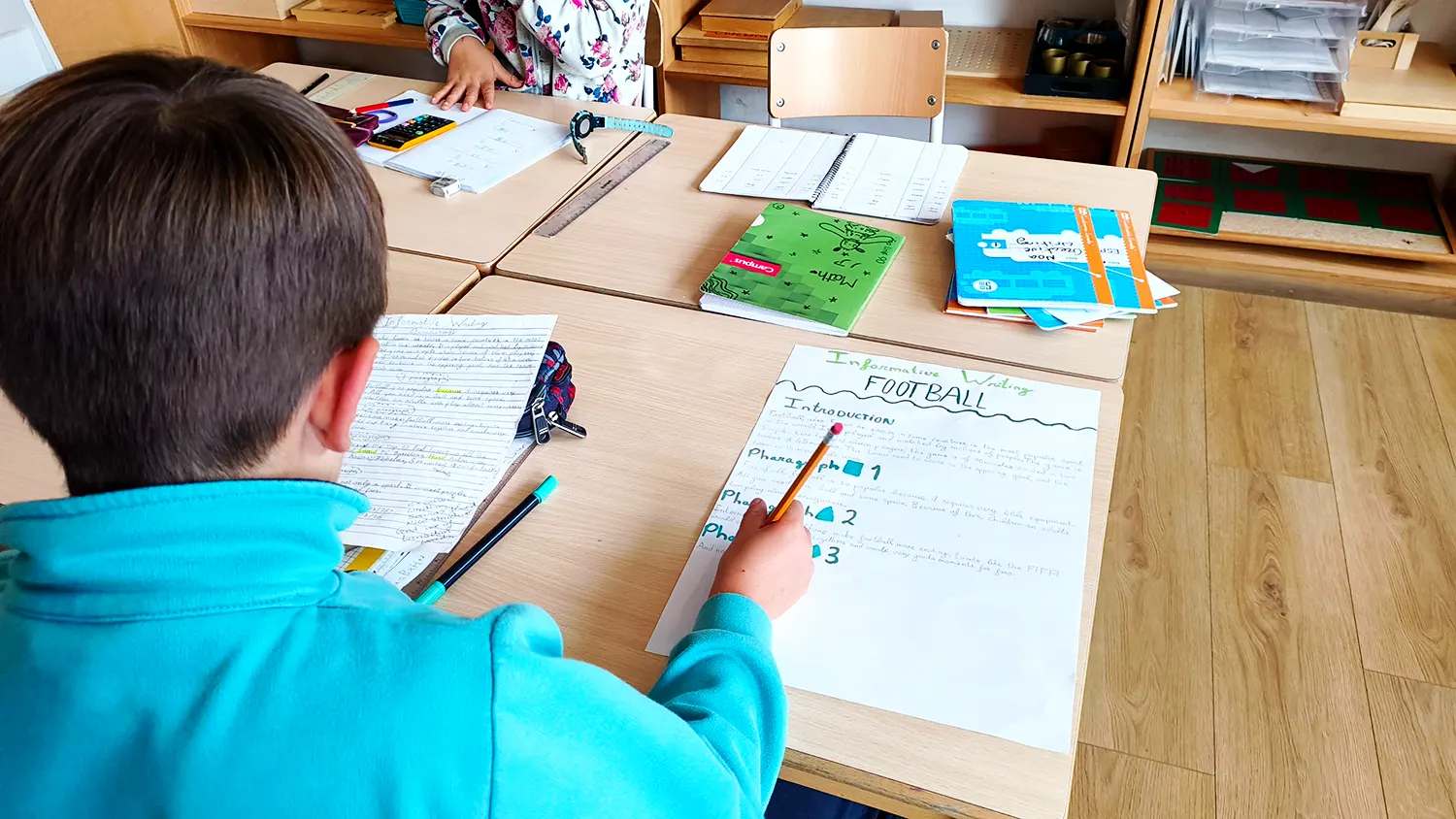
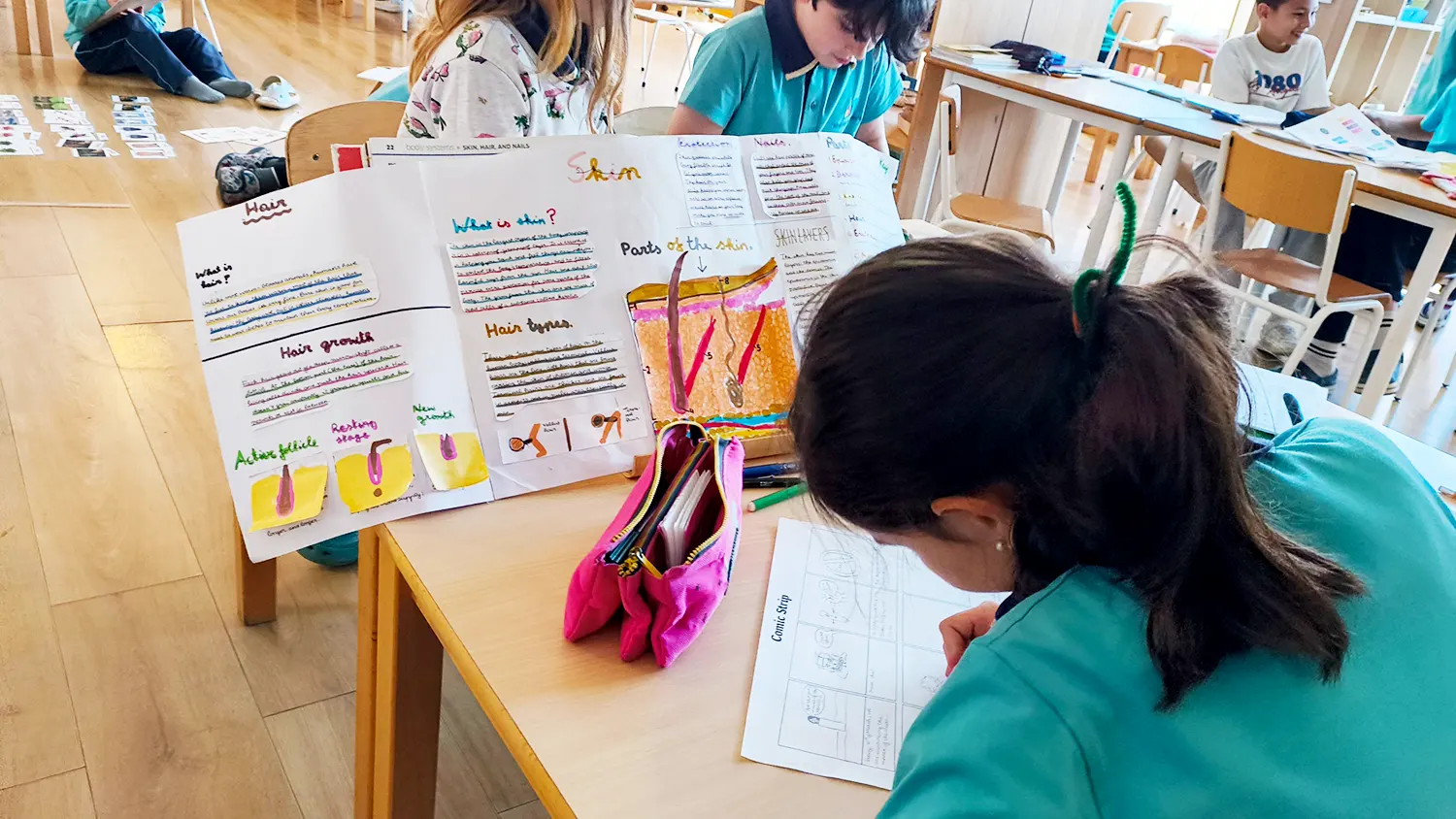
- It can be seen in a girl or a boy who chooses a difficult task and perseveres.
- It is seen in frustration that does not end in a breakdown.
- It is seen in independence, even when no one is supervising.
- It can be seen in the ability to start again after a mistake, without anyone having to tell them to.
And this kind of strength cannot be imposed from the outside. It has to be built up little by little, from within.
This is where environments sometimes described as ‘soft’ deserve a closer look.
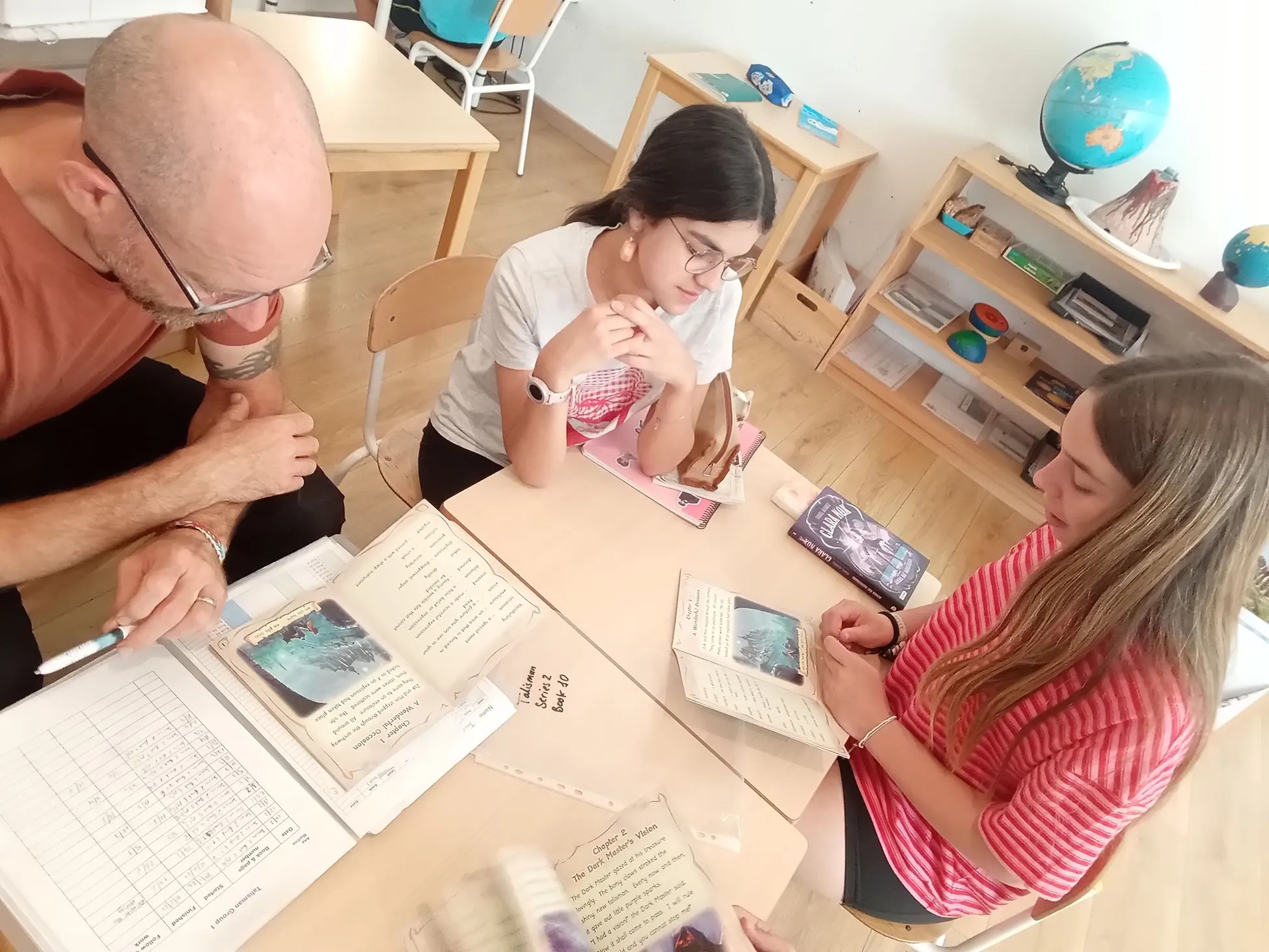
A well-prepared, emotionally nurturing classroom is often described as “soft”. But if we look closely, we see something else:
- No one is forcing the child to work.
- No one rescues them when things get difficult.
- No one is constantly directing their next move.
Instead, each child is expected to:
- Make decisions
- Manage their time
- Persevere in the face of difficulty
- Manage their emotions
- Take responsibility for their work
This is not easier than a traditional classroom. It is more demanding. The difference is that the demand does not come from outside but arises from within.
This becomes especially visible in children who arrive in this kind of environment later on. They are often drawn to the variety and the engaging materials, but without someone constantly directing them, some initially choose to do very little. This is not a failure of the approach—it is part of the process. Over time, with careful guidance, they begin to develop the responsibility and internal drive needed to engage with their work independently.
It is also important to understand that safety is not the opposite of challenge.
One of the biggest misconceptions is to believe that a respectful environment eliminates difficulties when what it eliminates is unnecessary fear. And when fear disappears, children do not become more passive; quite the opposite, they engage more deeply with challenges:
- They dare to think outside the box.
- They try things where they might fail.
- They try again.
Fear leads to avoidance or mere compliance. Security breeds courage. This brings us to an uncomfortable truth: If a child only works when pushed, perseveres only when supervised, and succeeds only within rigid structures, then what we are calling ‘strength’ is, in reality, something conditioned. And it is unlikely to accompany that person when structure and control are removed. This is the problem with the idea of ‘toughening up’ children: it often creates a form of dependency disguised as discipline.
The world our children will face in the future will require more than just obedience. It will demand initiative, adaptability, emotional balance and the ability to think for themselves. These qualities do not arise solely from pressure, but from experiences in which each person has been able to get involved, make choices, make mistakes and grow with support.
So perhaps the question is not whether a school is too “soft”. Perhaps the more useful question is whether we are confusing control with strength, and whether we are willing to commit to a slower path, whose results are not always reflected in grades or awards, but which builds something far more solid and long-lasting.