How Montessori education helps shield our children’s future from regrets
Have you ever come across studies or articles about the biggest regrets people share at the end of their lives? They often sound like this:
- I wish I’d had the courage to live a life true to myself.
- I wish I hadn’t worked so hard.
- I wish I’d had the courage to express my feelings.
- I wish I’d kept in touch with my friends.
- I wish I’d allowed myself to be happier.
Most of us don’t like to think about how we’ll see our lives in the future, but listening to older people’s experiences can help us make better choices now. The habits we form, how we see ourselves, and how we act in the world all start in childhood and adolescence. While genetics matter, the environment in which children and teens grow up is crucial for shaping their identity and beliefs.
So, what kind of school experience helps children grow into adults who have fewer regrets later on?
More and more research shows that Montessori education can make a real difference in these important areas. Adults who spent even a few years in a Montessori school as children often report higher well-being, more social confidence, and greater life satisfaction. By observing closely what happens in a Montessori classroom, we can better understand why.
- Living true to oneself
One of the most common regrets is not having lived true to themselves. Many people say they followed the expectations of others and set aside their own values and interests.
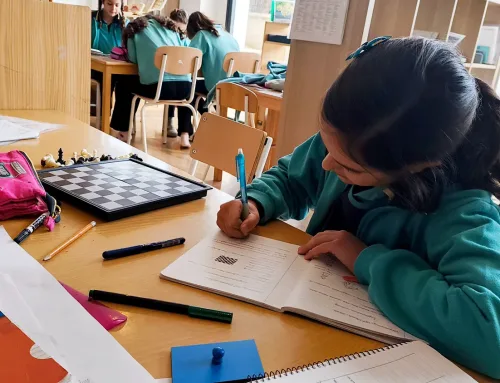
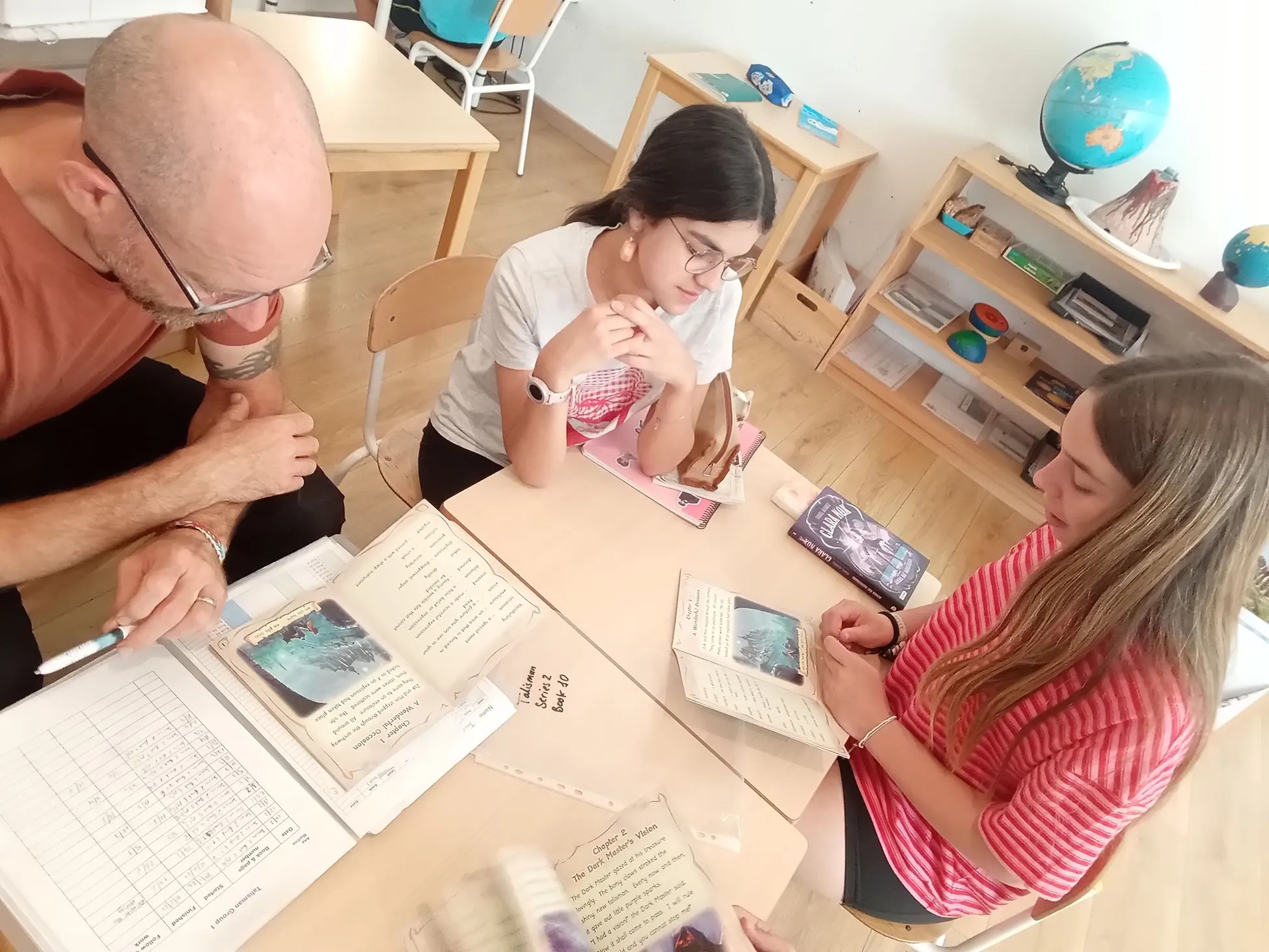
In a Montessori classroom, children get to make important decisions throughout the day. They pick their work from a thoughtfully prepared environment and are encouraged to follow their curiosity and remain engaged in the activity until they feel satisfied. The adult’s role is to observe and offer possibilities rather than direct every choice.
Over time, this helps children build an inner sense of direction. They learn that their interests matter, their pace is respected, and they can trust themselves to choose work that is both challenging and satisfying. These are the same skills adults use to make real decisions about school, work, and life. In Montessori, children have the time, structure, and support to reflect on questions like: What are my talents? What are my challenges? This helps them know and accept themselves, which is the first step to making choices that feel true to who they are.
- A healthy relationship with work
Another common regret is, “I wish I hadn’t worked so hard.” This often means people gave up relationships, health, and happiness because they were always busy. Many wish they had learned how to work smarter, not just harder.
In Montessori, hard work isn’t avoided. Children use real, challenging materials and are encouraged to focus and take on meaningful tasks. When they feel the satisfaction of meaningful work, it becomes hard to accept work that doesn’t motivate or have real meaning later on.
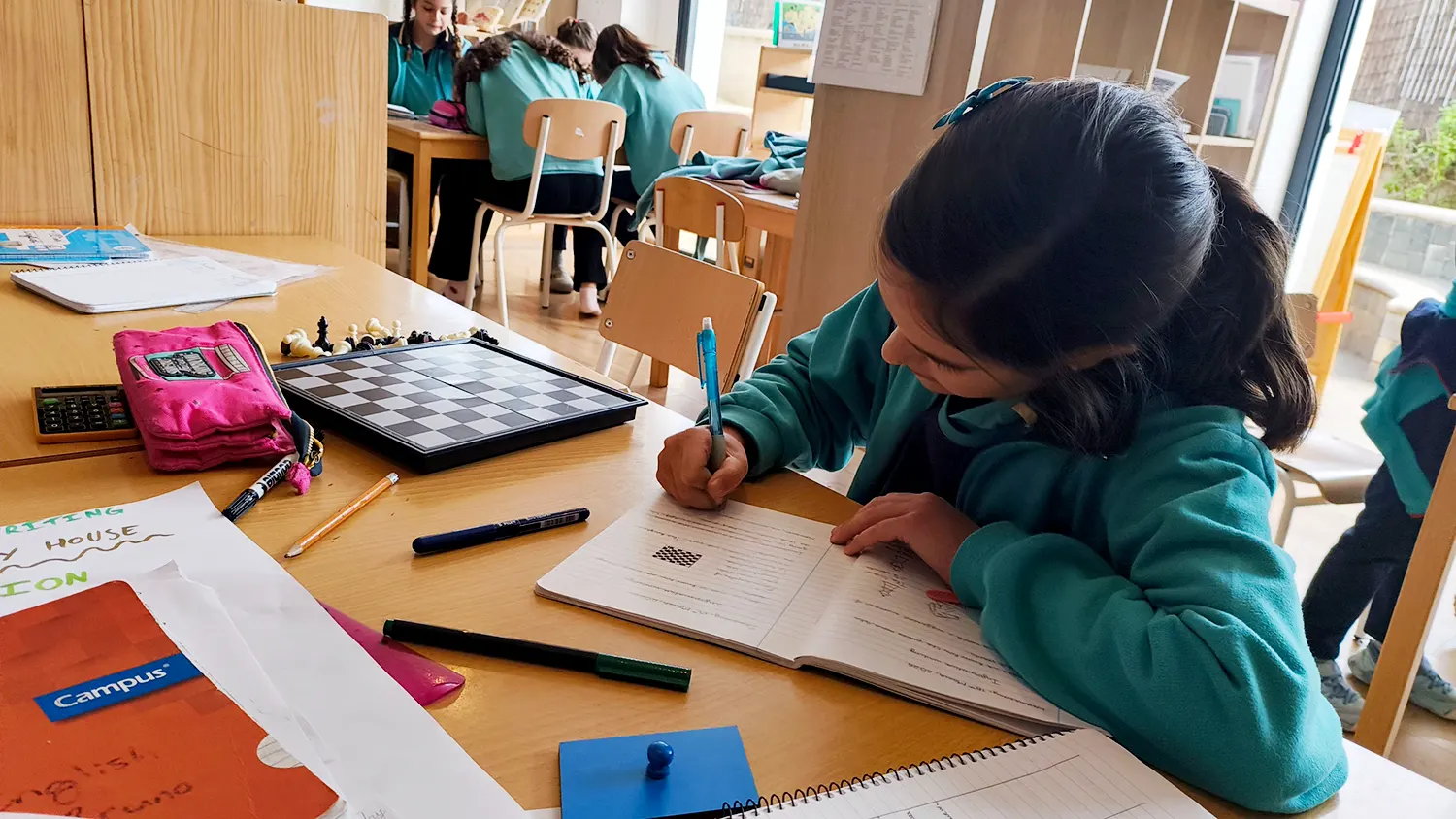
Uninterrupted work periods let each child find their own rhythm of focus and rest. No one is rushed from one task to the next, and mistakes are seen as part of the learning process. Children learn to notice how they feel and adjust their activity as needed. They discover that taking breaks helps them process what they’ve learned and that balancing hard work with rest leads to better results.
This way, children learn that good work and well-being go hand in hand. As adults, they are less likely to link success to exhaustion and more likely to seek a balance between contributing to society and enjoying life.
- The courage to express their feelings
Many adults, when they look back, wish they had spoken more honestly. They wish they had said things like “I love you,” “I’m sorry,” “this hurts me,” or “this is who I really am.”
At Montessori Córdoba, social and emotional learning is part of everyday life. Children get clear lessons on ‘grace and courtesy,’ where they practice greeting others, asking for help, saying no politely, apologising, and resolving conflicts. They learn to use simple, respectful words to express their needs, set boundaries, and share their feelings.
In mixed-age groups, older children naturally help younger ones, which builds empathy and patience. Adults show how to communicate calmly and clearly, even when things are tough. This way, children see every day that it’s possible to be both honest and kind.
Children who grow up with this approach are more likely to become adults who can express what matters to them, without being aggressive or avoiding the issue.
- Friendships and community
Another common regret is losing touch with friends and feeling alone.
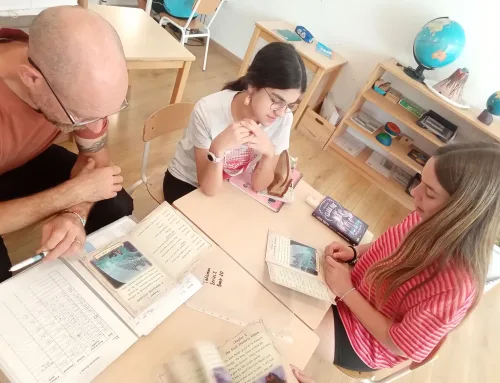
Montessori classrooms are real communities. Children often spend several years with the same group and guide, which helps build strong, stable relationships. In mixed-age groups, they sometimes get help and sometimes give it—sometimes they are the younger children are supported, and then they grow to become the older children who offer support.
It’s not a group where everyone competes to be the best or avoid coming last. Each child progresses at their own pace, which reduces constant comparisons and the sense of ‘winners’ and ‘losers’.
They work together, share materials, and help take care of their classroom. Shared routines like assemblies, celebrations, and classroom jobs help everyone feel that ‘this is our community’.
When children understand that friendships change as people grow, they learn that change doesn’t mean they stop belonging or being loved. These are just small changes in the lives of people who share the journey—different, not better or worse. This helps them value and accept changes in relationships and know how to keep connections over time.
Everyone grows in their own way. As children build stronger self-esteem that doesn’t depend on others’ approval, they learn they don’t need to cling to people to feel supported. Those who grow up in healthy communities often look for the same as adults and know how to belong and contribute, enjoying the benefits of a good community together.
- Allowing oneself to be happy
Finally, many people say they wish they had allowed themselves to be happier. They put off finding joy, spent their lives comparing themselves to others, or set impossible standards for themselves.
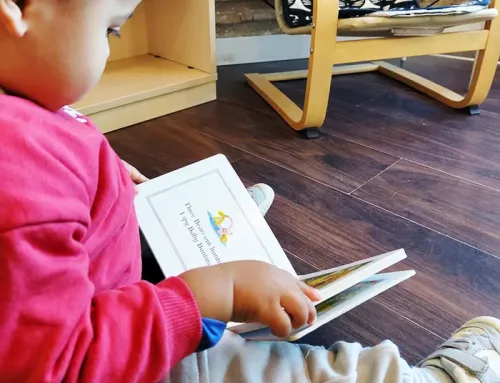
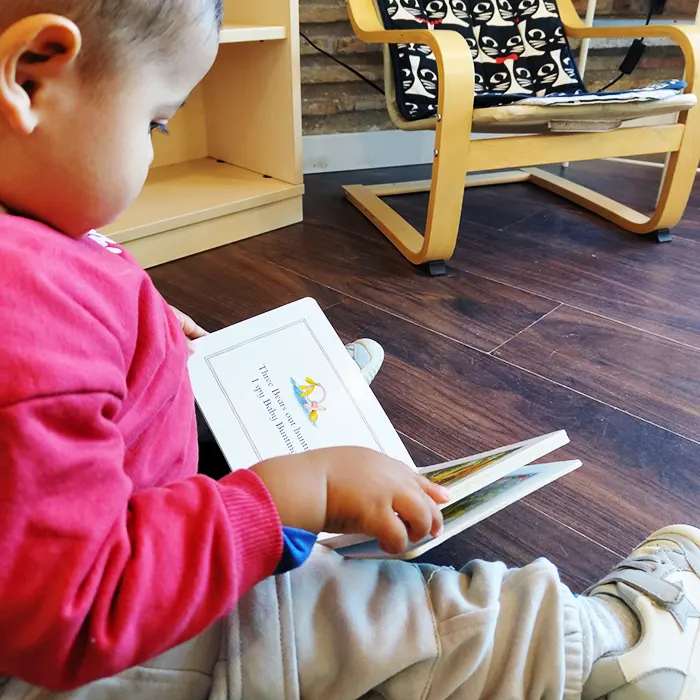
In Montessori, there’s a quiet joy in learning practical skills—like tying shoelaces, making and eating a snack, reading in a cosy corner, or finishing a long project. Children feel proud when they can do things themselves and repeat activities for the joy of getting better, not for outside rewards.
Because there aren’t constant grades, stickers, or rankings, children don’t feel pressured to compare themselves to others constantly. They learn to focus on their own progress and see mistakes as a normal part of learning. They’re encouraged to use all their senses, and they have time to notice and appreciate what makes others and the world unique.
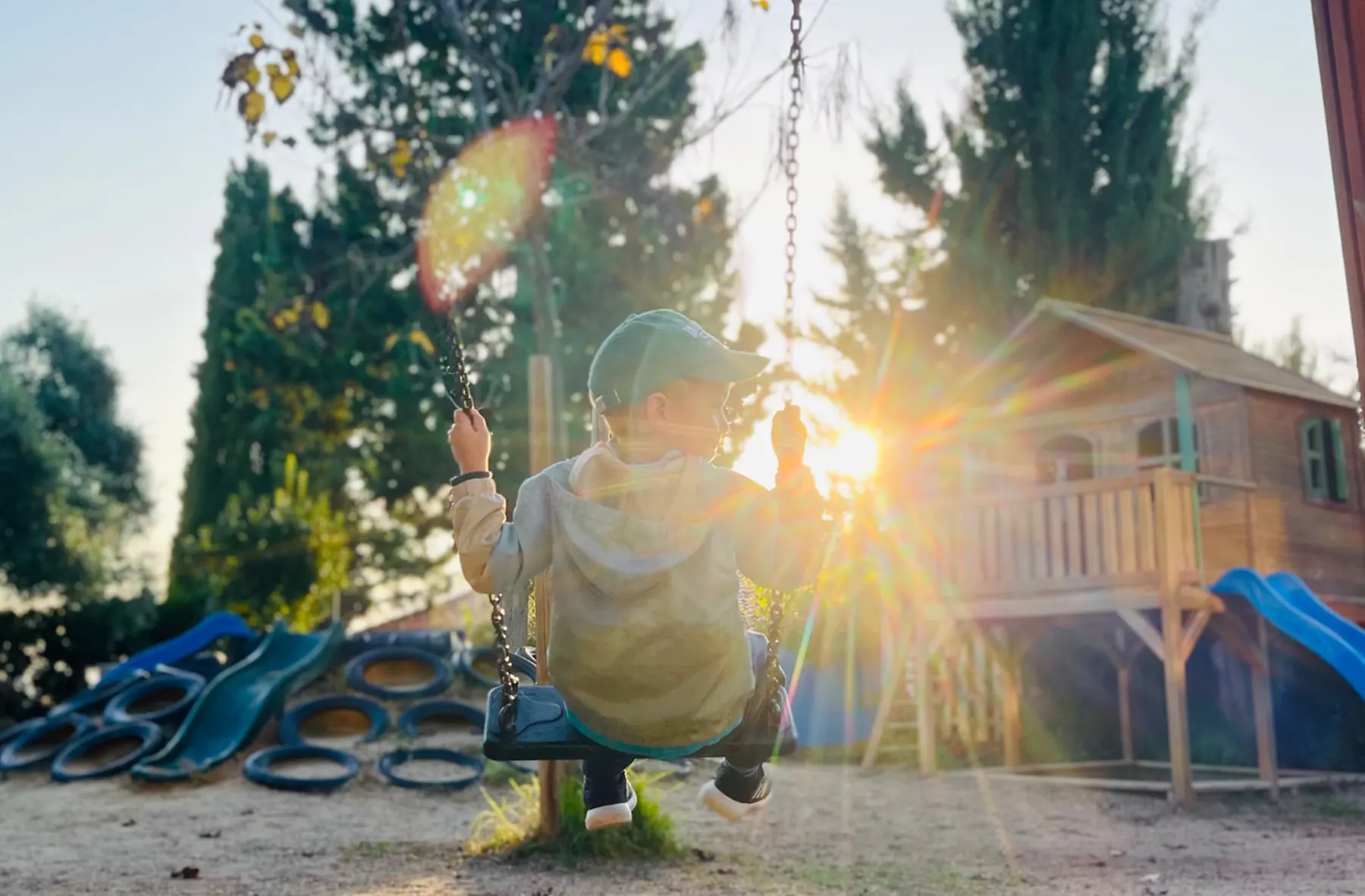
In this way, Montessori helps children grow up believing they can and should enjoy their lives, not just go through the motions.
What we are really investing in
As parents, it’s easy to focus on short-term questions: Is my child keeping up? Are they reading on time? How do they compare with other kids their age? These questions matter, but they aren’t everything.
By choosing Montessori, you’re also investing in something deeper and longer-lasting: a strong inner compass, a healthy attitude toward work, the courage to express feelings, a real sense of community, and a simple, genuine happiness each day.
Choosing Montessori Córdoba means going beyond academics and giving children a place where they can build foundational personal and emotional skills every day. These skills will guide them toward a path that may well, in the end, bring them peace with their choices when they look back on their lives.