Montessori: Preparing children for a tech future… without a screen in sight
We live surrounded by screens, artificial intelligence, and algorithms that personalise everything. It is easy to assume that preparing children for this future means introducing technology from an early age. At Montessori Córdoba, we take the opposite approach: first, we build minds capable of deep concentration, thoughtful analysis, and sound decision-making. Screens can wait.
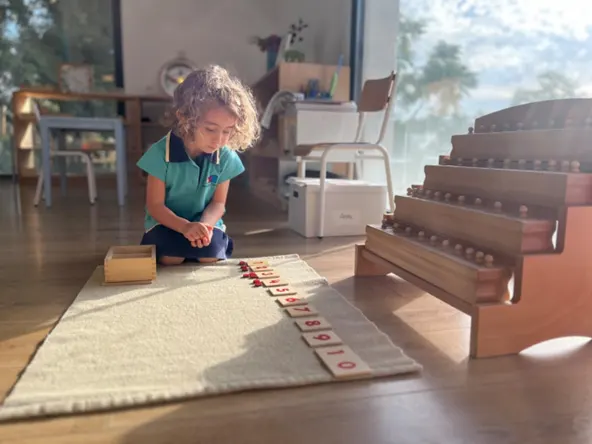
In our classrooms for children aged 0 to 6, there are no tablets or computers. Instead, hands engage with sensory materials—classifying, sorting, and repeating sequences. This lays the concrete foundations for logical and algorithmic thinking essential to mathematics, programming, and robotics. When a child strings beads, orders cylinders, or completes practical life activities step by step, they develop attention and self-control that no app can provide.
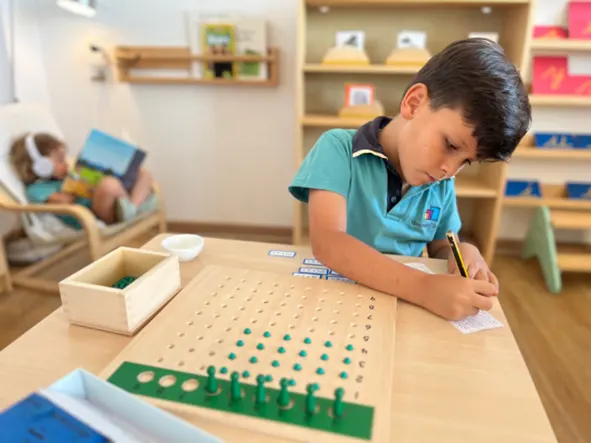
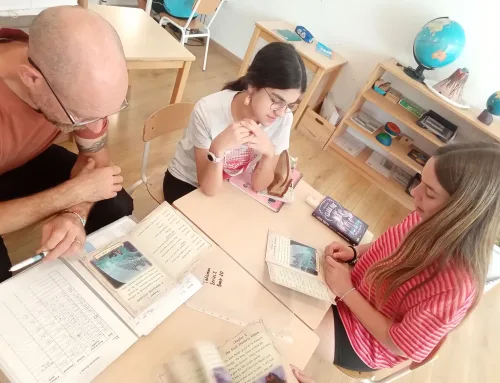
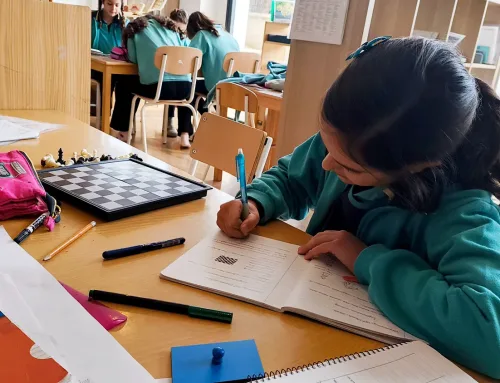
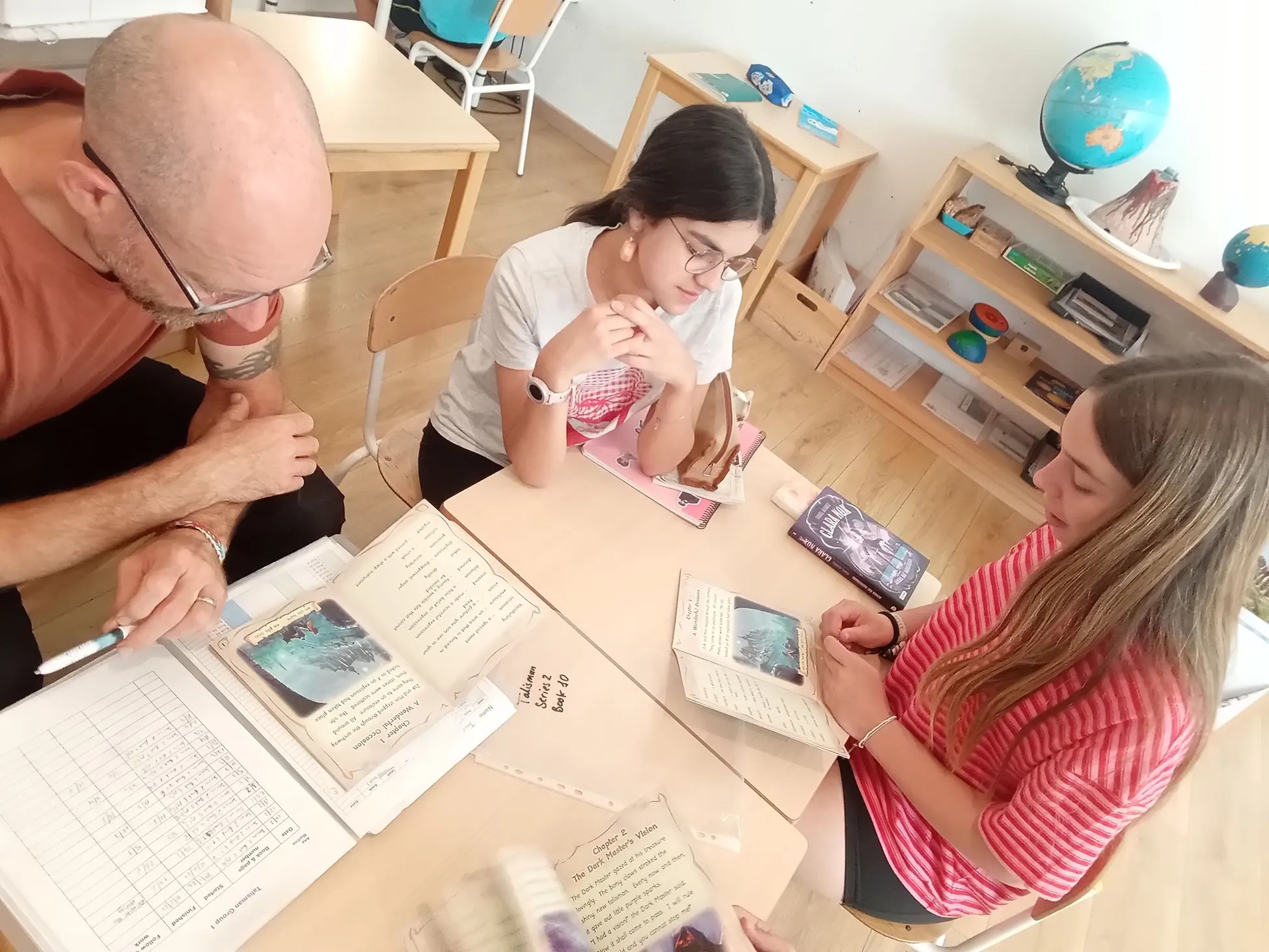
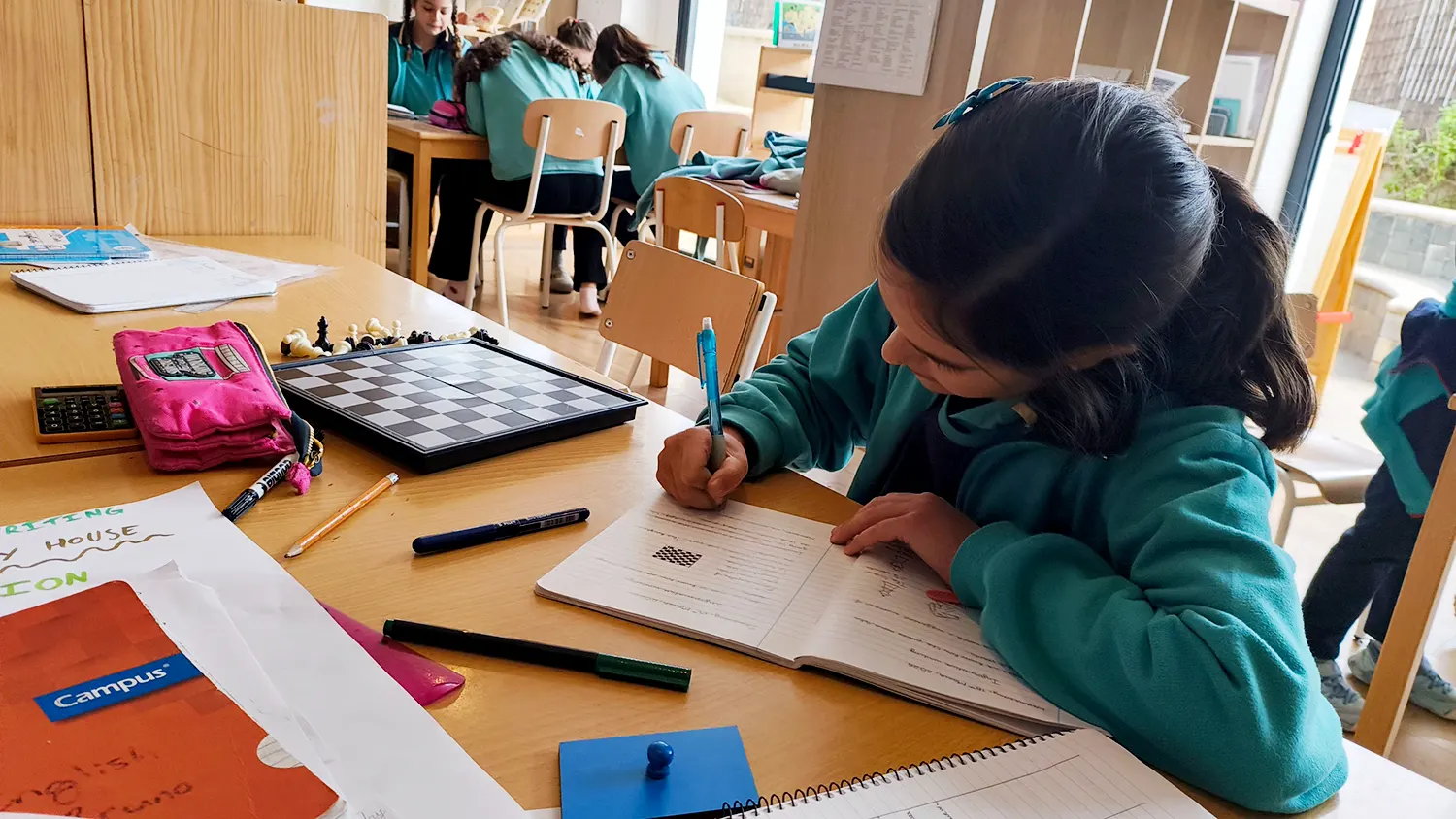
From ages 6 to 12, the work progresses to abstraction while remaining rooted in the concrete. Our mathematics materials enable children to master operations and concepts typically introduced years later in traditional systems. Science projects connect directly to real life: measuring, testing, experimenting, and drawing conclusions. This step-by-step reasoning, ability to ask precise questions, and willingness to learn from errors equip them perfectly for healthy, creative, and conscious engagement with technology and AI.
Many executives at leading technology companies understand this well. It is widely known that Silicon Valley leaders—from Google and Apple—limit screen time for their children and favour methodologies such as Montessori in the early years. Far from a contradiction, it reflects their awareness of technology’s addictive nature: they prioritise protecting childhood to cultivate concentration, critical thinking, and creativity as the true foundation.
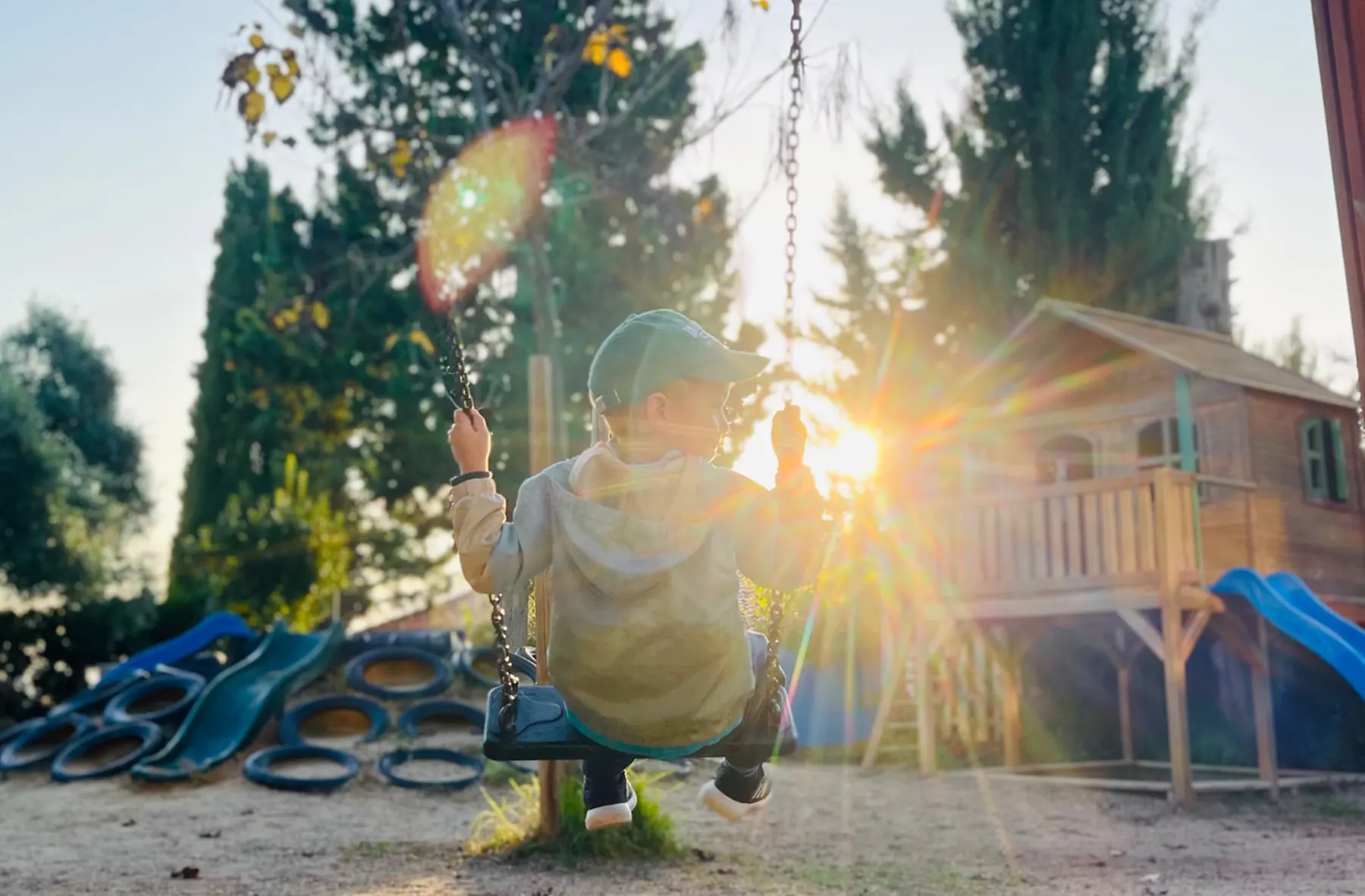
At Montessori Córdoba, we do not reject technology; we respect its proper timing. The 0-12 phase focuses on executive functions, scientific curiosity, rich language, and strong social skills. Technology enters later, as a tool rather than a constant distraction. This prepares adolescents to learn programming, analyse data, and use AI responsibly—while retaining irreplaceable human qualities: judgement, empathy, and imaginative capacity no machine can replicate.